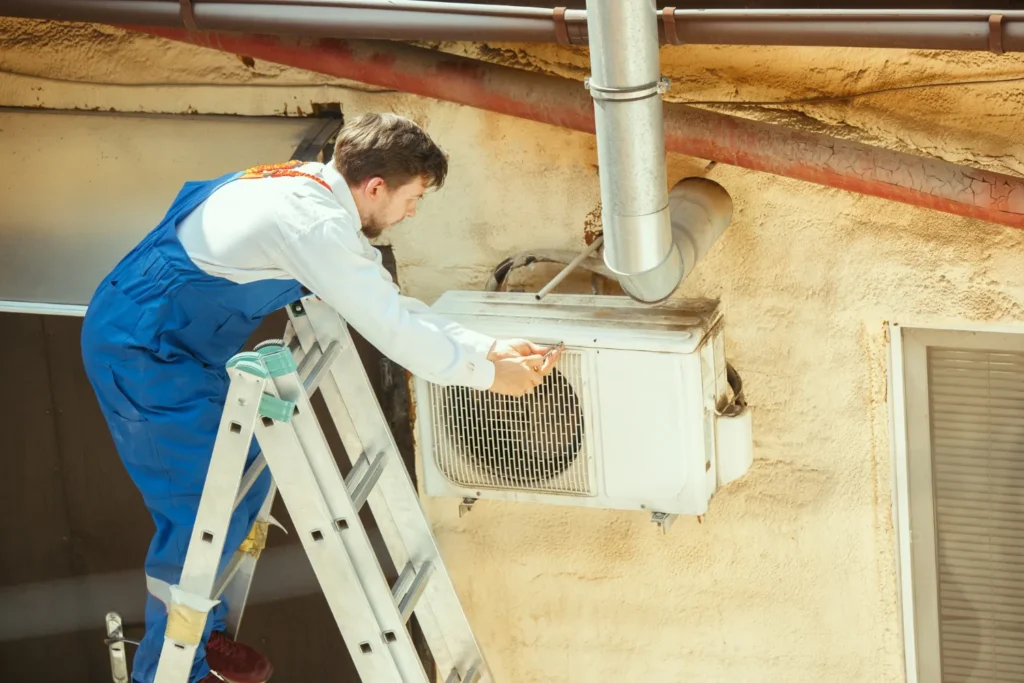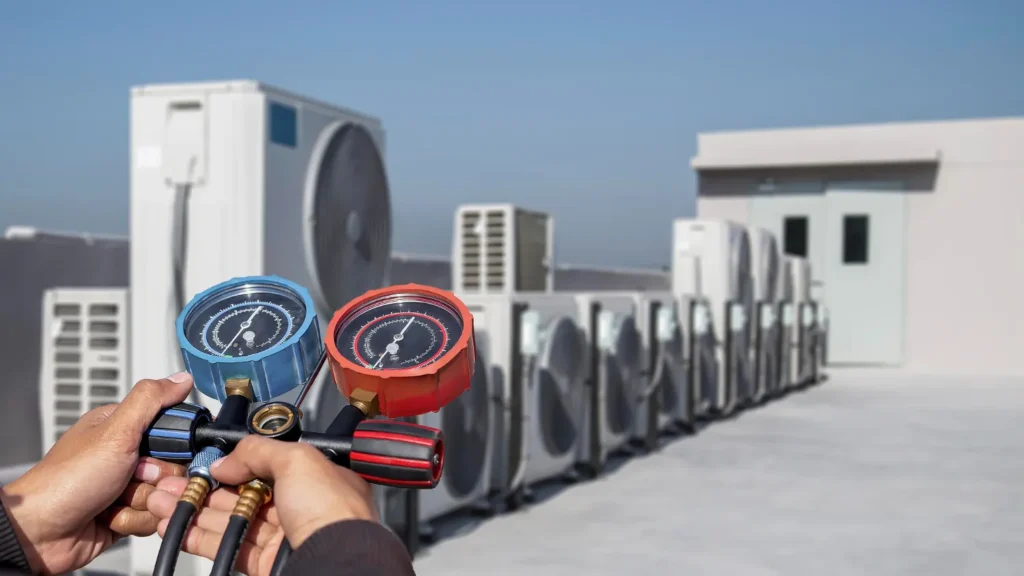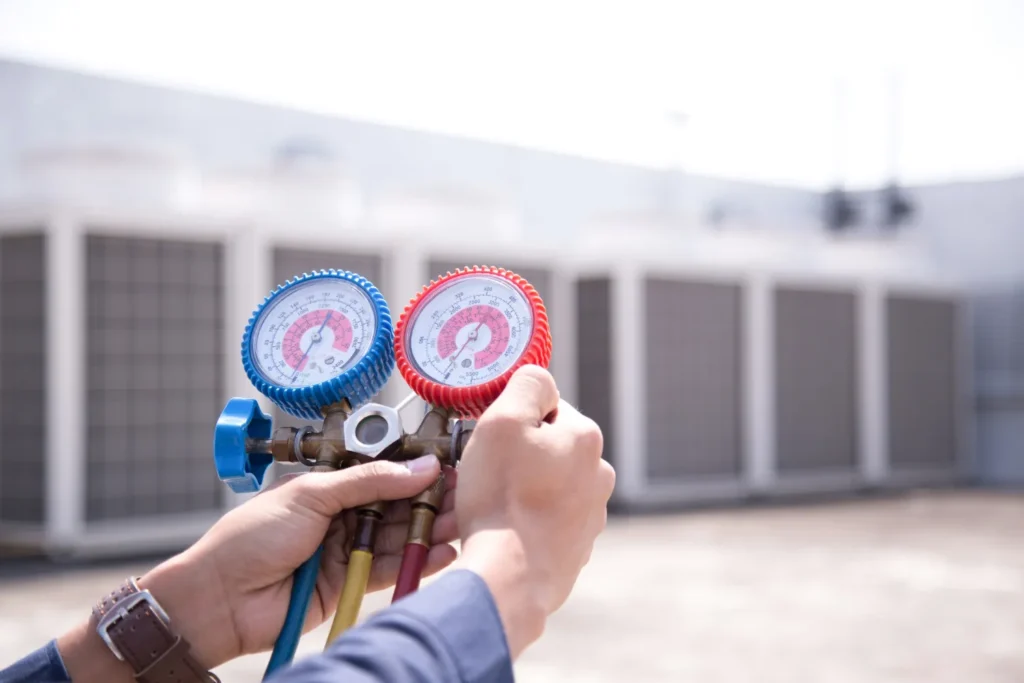

Welcome to the world of home comfort and efficiency with Perfect Air Solutions! Your HVAC system plays a crucial role in maintaining a cozy atmosphere, but like any mechanical system, it’s not immune to problems. In this comprehensive guide, we delve into the common HVAC issues that homeowners encounter and explore the delicate balance between DIY troubleshooting and seeking professional assistance. Whether you’re a seasoned DIY enthusiast or someone new to home maintenance, join us as we navigate through the intricacies of your HVAC system, empowering you to make informed decisions for a perfectly conditioned living space.
Understanding Your HVAC System
Your HVAC (Heating, Ventilation, and Air Conditioning) system is a crucial component of your home, ensuring comfort and maintaining a healthy indoor environment. To make informed decisions about troubleshooting and maintenance, it’s essential to have a basic understanding of the key elements that make up your HVAC system.
Heating Unit:
The heating unit is responsible for keeping your home warm during colder months. It commonly relies on furnaces, boilers, or heat pumps. Understanding the type of heating system you have is the first step in troubleshooting and maintenance.
Ventilation System:
The ventilation system ensures the proper circulation of air throughout your home. It includes ductwork, air vents, and fans. A well-functioning ventilation system not only regulates temperature but also improves indoor air quality by removing pollutants and odors.
Air Conditioning Unit:
The air conditioning unit is your go-to for maintaining a cool and comfortable home during hot weather. This system utilizes a compressor, condenser, and evaporator to cool and dehumidify indoor air. Knowing how your AC unit operates helps in identifying potential issues.
Regular Maintenance:
All these components work in harmony to create a comfortable living environment. Regular maintenance, such as cleaning filters, inspecting ductwork, and ensuring proper insulation, is crucial for the efficient operation of your HVAC system. Neglecting maintenance can lead to increased energy consumption, reduced performance, and costly repairs.
Efficiency Ratings:
Understanding efficiency ratings, such as SEER (Seasonal Energy Efficiency Ratio) for air conditioners and AFUE (Annual Fuel Utilization Efficiency) for furnaces, helps gauge the energy performance of your system. Higher ratings indicate better efficiency, leading to lower energy bills and reduced environmental impact.
Thermostat Control:
Your thermostat serves as the command center for your HVAC system. Knowing how to program and calibrate it ensures accurate temperature control and energy efficiency. Modern programmable thermostats offer advanced features that allow you to create customized heating and cooling schedules.
The Role of Professional Inspections:
While a basic understanding empowers homeowners to handle some maintenance tasks, it’s equally important to schedule regular professional inspections. HVAC technicians can identify potential issues early, perform thorough cleaning, and ensure all components are operating at peak efficiency.
Signs of HVAC Problems

Your HVAC system is a vital component of your home, ensuring a comfortable living environment. However, it’s not immune to issues. Recognizing the signs of HVAC problems early on is crucial for preventing extensive damage and maintaining optimal performance. Here are key indicators that your HVAC system might be facing issues:
Unusual Sounds:
Keep an ear out for strange noises like banging, clanking, hissing, or squealing. These could signal problems with the fan, motor, or other components. Investigate and address unusual sounds promptly to prevent further damage.
Inconsistent Temperature Regulation:
A well-functioning HVAC system should deliver consistent and even temperatures throughout your home. If you experience uneven heating or cooling, it could be due to issues such as a malfunctioning thermostat, blocked ducts, or problems with heating/cooling elements.
Increased Energy Bills:
Watch for unexpected spikes in energy bills, as they may indicate that your HVAC system is working harder than necessary. This could be due to a dirty filter, refrigerant leaks, or an inefficient component. Monitoring bills helps catch problems early on.
Frequent Cycling:
Normal HVAC systems cycle to maintain desired temperatures. However, if you notice your system turning on and off more frequently than usual, it could be a sign of issues with the thermostat, improper system sizing, or a malfunctioning component.
Strange Odors:
Unpleasant odors from your HVAC system may indicate various issues. Musty or moldy smells could point to mold growth or a clogged drain line. Burning smells may suggest overheating components, while a rotten egg smell could signal a gas leak.
Poor Air Quality:
Your HVAC system significantly influences indoor air quality. An increase in dust, allergens, or a decline in air quality could be due to issues like a dirty air filter, mold growth, or ventilation problems. Promptly address these issues for better air quality.
DIY Troubleshooting Tips
When it comes to maintaining your HVAC system, a proactive approach can make a significant difference in performance and longevity. There are several troubleshooting tasks you can tackle on your own to ensure your system is running smoothly. Here are some detailed DIY troubleshooting tips:
Checking and Changing Air Filters
Air filters play a crucial role in maintaining the efficiency of your HVAC system. Over time, filters accumulate dust and debris, hindering airflow and causing strain on the system. Follow these steps to check and change your air filters:
Locate Your Air Filters: Depending on your HVAC setup, filters can be found in the return air duct, furnace, or air handler. Consult your system’s manual for precise locations.
Inspect for Dirt and Debris: Remove the filter and inspect it for any visible dirt or debris. Hold it up to the light – if you can’t see through it, it’s time for a replacement.
Choose the Right Replacement: Filters come in various sizes and types. Choose a replacement filter that matches the dimensions specified in your system’s manual and consider factors like MERV rating for optimal filtration.
Install the New Filter: Insert the new filter, ensuring it follows the directional arrows indicating the correct airflow. Secure it in place and close the filter compartment.
Regularly changing your air filters, typically every 1-3 months, promotes better air quality and helps your HVAC system run efficiently.
Thermostat Calibration
A thermostat is the control center of your HVAC system, regulating temperature and ensuring comfort. If you notice temperature inconsistencies, calibrating your thermostat might be the solution. Follow these steps:
Verify Accuracy: Use a separate thermometer to check the accuracy of your thermostat. If there’s a significant difference, calibration may be necessary.
Access Settings: Depending on your thermostat model, access the settings menu. This is typically done by removing the cover and locating the calibration switch or setting.
Adjust the Temperature: Follow the manufacturer’s instructions to adjust the thermostat’s temperature settings. Some thermostats have a specific calibration mode for this purpose.
Test and Monitor: After calibration, observe the system’s performance. If temperature inconsistencies persist, consider seeking professional assistance.
Calibrating your thermostat ensures accurate temperature readings and prevents unnecessary strain on your HVAC system.
Clearing Air Vents and Ducts
Blocked or obstructed air vents and ducts can significantly impact your HVAC system’s efficiency. Ensure proper airflow with these steps:
Inspect Vents: Check all vents in your home to ensure they are not blocked by furniture, curtains, or other obstacles. Ensure they are open and unobstructed.
Clean Vents: Use a vacuum cleaner or a damp cloth to remove dust and debris from vent covers. This simple step can improve the quality of air circulating in your home.
Examine Ducts: If possible, visually inspect ducts for any visible blockages. Call a professional if you suspect significant debris or mold growth.
Consider Professional Duct Cleaning: Periodically, schedule professional duct cleaning to remove accumulated dust, mold, and debris from the entire duct system.
Clearing air vents and ducts ensures proper airflow, maintaining a comfortable indoor environment and preventing strain on your HVAC system.
When to Call a Professional for HVAC Issues
Homeowners often take pride in tackling DIY projects, but when it comes to your HVAC system, there are situations where calling a professional is crucial. Recognizing these limits can save time, and money, and prevent further damage. Here’s a focused look at when to enlist the help of an expert:
Complex Electrical Issues
If you notice flickering lights, frequent circuit breaker trips, or strange electrical odors from your HVAC system, call a certified technician. Handling electrical issues without expertise poses safety risks and may lead to more extensive damage.

Refrigerant Leaks
Decreased cooling efficiency or hissing sounds near the unit could indicate a refrigerant leak. Due to the hazards of refrigerants, only a trained professional should diagnose and address these issues.
Major Component Failures
When critical components like the compressor or blower motor fail, it’s time to call for professional help. These intricate parts require specialized skills and tools for diagnosis and repair.
Conclusion
Maintaining a comfortable home involves a delicate balance between DIY efforts and professional intervention, especially when it comes to your HVAC system. While basic troubleshooting and regular maintenance can be handled on your own, recognizing the signs that demand expert attention is equally crucial. Whether it’s complex electrical issues, refrigerant leaks, or major component failures, knowing when to call a professional ensures the longevity and efficiency of your HVAC system. Trust in the expertise of Perfect Air Solutions to navigate these challenges, creating an environment where comfort and peace of mind go hand in hand.