
Indoor air quality is a crucial aspect of our overall health and well-being, yet it is often overlooked. Many of us spend a significant amount of time indoors, whether it’s at home or in the office, and the air we breathe can have a significant impact on our health. Poor indoor air quality can lead to various respiratory problems, allergies, and even serious health conditions. That’s why it’s essential to take steps to improve the air quality in our homes.
In this blog, we will discuss some practical tips for creating a healthier and safer home environment by improving indoor air quality.
Understanding Indoor Air Quality
Understanding indoor air quality is essential for creating a healthier and safer home environment. Indoor air quality refers to the cleanliness and purity of the air inside our homes. It is affected by factors such as pollutants, allergens, humidity levels, and ventilation. By understanding these factors, we can take proactive steps to improve the air we breathe. Monitoring and testing indoor air quality regularly can help us identify any potential issues and make informed decisions to create a healthier living space. Let’s delve deeper into the importance of understanding indoor air quality and how it can impact our health and well-being.
Health Effects of Poor Indoor Air Quality
Poor indoor air quality can have a significant impact on our health, leading to a range of negative effects. Here are some of the health effects that can be caused by poor indoor air quality:
Respiratory Issues
Breathing in polluted air can irritate the respiratory system and lead to various respiratory problems such as coughing, wheezing, and shortness of breath. Individuals with asthma or other respiratory conditions may experience worsened symptoms in environments with poor air quality.
Allergies
Indoor pollutants such as dust, pollen, and pet dander can trigger allergies in sensitive individuals. Symptoms may include sneezing, itching, watery eyes, and a runny nose. Long-term exposure to allergens can lead to chronic allergies and make it difficult to find relief.
Asthma
Poor indoor air quality is a major trigger for asthma attacks. Individuals with asthma are more susceptible to the effects of indoor air pollutants, and exposure to allergens and irritants can cause their airways to become inflamed and constricted, leading to difficulty breathing.
Respiratory Infections
Pollutants in indoor air can increase the risk of respiratory infections, as they can weaken the immune system and make individuals more susceptible to bacteria and viruses. This is especially true for children and the elderly, who have weaker immune systems.
Headaches and Fatigue
Breathing in polluted air can lead to headaches, fatigue, and a general feeling of discomfort. This is because the body is constantly working to filter out harmful substances from the air, which can put a strain on our overall well-being.
Tips for Improving Indoor Air Quality
Here are some practical tips for improving indoor air quality in your home:
Keep your home clean
Regularly vacuum and dust to remove dust mites, pet dander, and other allergens from your living spaces. Clean and disinfect frequently touched surfaces to minimize the presence of germs and bacteria.
Use natural cleaning products
Many cleaning products contain harsh chemicals that can contribute to poor indoor air quality. Switch to natural, non-toxic alternatives that are free from harmful fumes and chemicals.
Proper ventilation
Ensure good ventilation in your home by opening windows and doors to allow fresh air to circulate. Consider using exhaust fans in kitchens and bathrooms to remove moisture and odors.
Control humidity levels
High humidity can lead to the growth of mold and mildew, which can negatively impact indoor air quality. Use a dehumidifier to maintain optimal humidity levels and prevent the growth of mold.

Avoid smoking indoors
Cigarette smoke is a major source of indoor air pollution and can have detrimental effects on your health. If you or your family members smoke, make it a rule to smoke only outside the house.
Use air purifiers
Air purifiers with HEPA filters can effectively remove pollutants from the air, such as dust, pollen, pet dander, and even some viruses and bacteria. Place air purifiers in commonly used areas of your home for maximum effectiveness.
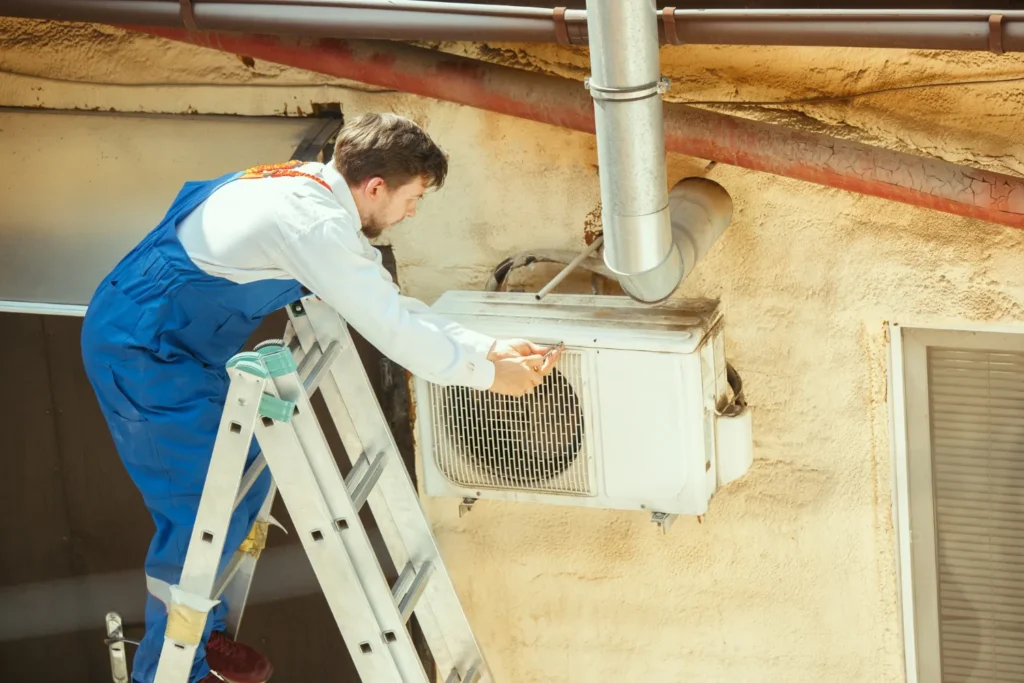
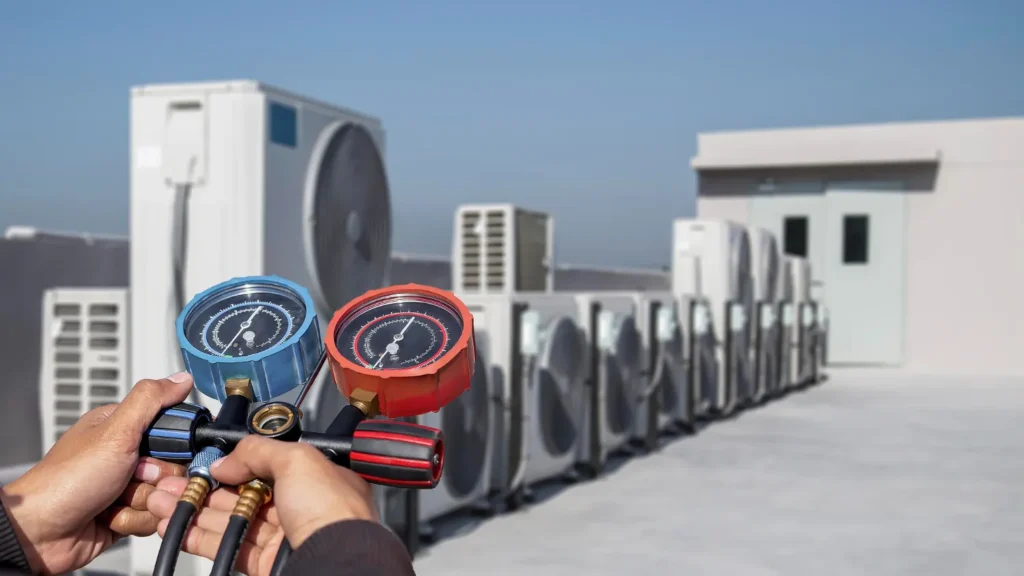
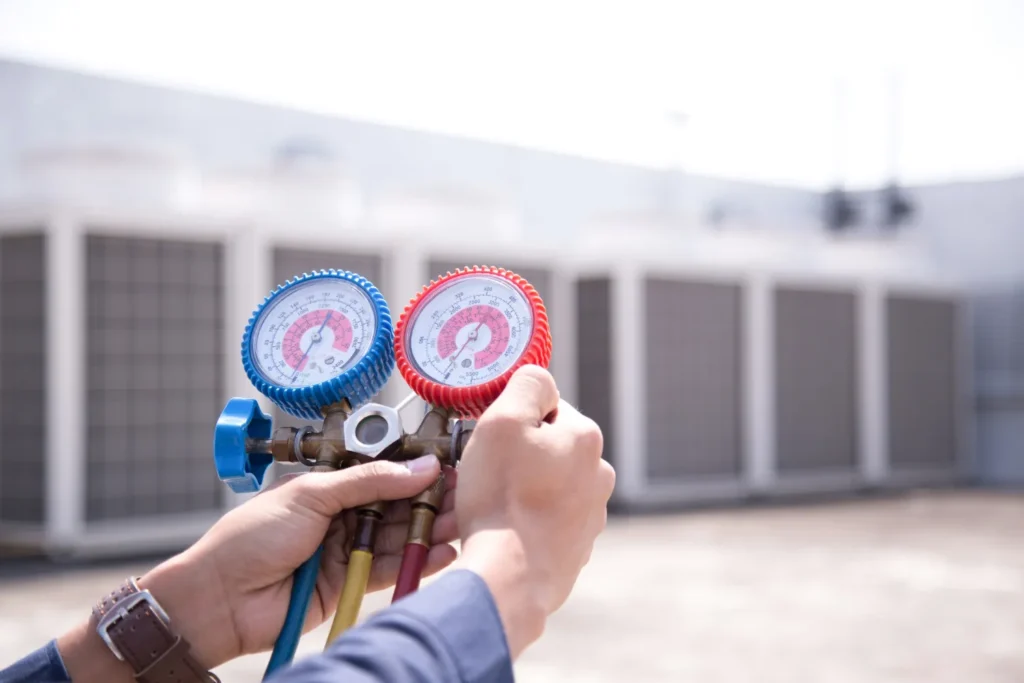
Maintain your HVAC system
Regularly clean and replace air filters in your heating, ventilation, and air conditioning (HVAC) system to ensure that it is effectively filtering out pollutants. Schedule professional maintenance to keep your HVAC system running efficiently.
Avoid synthetic fragrances
Synthetic fragrances found in air fresheners, candles, and personal care products can release harmful chemicals into the air. Opt for fragrance-free or natural alternatives.
Keep plants indoors
Indoor plants not only add a touch of greenery to your home but can also help purify the air by absorbing toxins. Choose plants that are known for their air-purifying properties, such as spider plants or peace lilies.
Sustainable Practices for Better Air Quality
As we strive to improve indoor air quality, it’s important to incorporate sustainable practices that not only benefit our health but also the environment. By adopting sustainable practices, we can create a healthier and safer home environment while reducing our impact on the planet. Consider using natural cleaning products, choosing low-VOC materials for furniture and paint, and reducing energy consumption by using energy-efficient appliances. Additionally, recycling and composting can help reduce waste and minimize pollutants in our homes. By integrating these sustainable practices, we can improve indoor air quality while contributing to a more sustainable future.
Monitoring and Testing Indoor Air Quality
Monitoring and testing indoor air quality is crucial for ensuring a healthy and safe home environment. Regularly checking the air quality in your home can help you identify any potential issues and take the necessary steps to improve it. There are various ways to monitor indoor air quality, including using air quality monitors and conducting air quality tests. By monitoring and testing your indoor air quality, you can make informed decisions about improving ventilation, reducing pollutants, and creating a healthier living space for you and your family.
Additional Considerations for a Healthy Home Environment
When it comes to creating a healthy home environment, there are a few additional considerations to keep in mind. These tips go beyond improving indoor air quality and can contribute to an overall healthier and safer living space for you and your family.
Here are some additional considerations for a healthy home environment:
Natural lighting
Incorporating natural light into your home can have numerous benefits for your health and well-being. Natural light not only improves mood and productivity but also helps regulate your sleep-wake cycle. Open up curtains or blinds during the day to let in as much natural light as possible.
Declutter regularly
Clutter not only creates a stressful environment but can also contribute to poor air quality. Dust and allergens tend to accumulate in cluttered spaces, so regularly decluttering your home can help improve indoor air quality and create a more organized living environment.
Keep pets clean
If you have pets, regular grooming and bathing can help reduce the amount of pet dander and allergens in your home. Brushing your pets regularly can also help minimize shedding, which can contribute to poor air quality.
Mindful use of candles
While candles can create a cozy ambiance, it’s important to be mindful of the type of candles you use. Many scented candles contain harmful chemicals that can negatively impact indoor air quality. Opt for natural, non-toxic candles or consider using alternatives such as essential oil diffusers.
Filter outdoor air
While improving indoor air quality is essential, it’s also important to consider the quality of outdoor air. If you live in an area with high pollution levels, consider using air purifiers or keeping windows closed during times of high pollution to prevent outdoor pollutants from entering your home.
Creating Awareness and Promoting Healthy Habits
Creating awareness and promoting healthy habits is essential for maintaining good indoor air quality. One way to do this is by educating yourself and your family about the importance of air quality and its impact on health. Share information with your loved ones and encourage them to make conscious choices to improve indoor air quality. Additionally, practice and promote habits such as opening windows for fresh air, regularly cleaning and maintaining your home, and using natural, non-toxic products. By creating awareness and fostering healthy habits, we can all contribute to a healthier and safer home environment.
In Conclusion
Incorporating these tips for improving indoor air quality into your daily routine can help create a healthier and safer home environment for you and your family. By understanding the factors that affect indoor air quality, taking proactive steps to reduce pollutants, and implementing sustainable practices, you can significantly improve the air you breathe. Remember to monitor and test indoor air quality regularly to ensure a healthy living space.
Together, let’s prioritize indoor air quality and promote healthy habits for a better, safer home. If you have any questions or need further guidance, don’t hesitate to contact us.