As a homeowner, it’s important to know the ins and outs of your home’s heating system, especially during the colder months. One question that often arises is, “How long should furnace stay off between cycles?” This may seem like a simple question, but the answer is not as straightforward as one may think. There are several factors that can affect the length of time between furnace cycles, such as the size and efficiency of your furnace, the temperature outside, and your personal comfort preferences. In this blog post, we will dive into the details of how long your furnace should stay off between cycles and provide some helpful tips for maximizing its efficiency and keeping your home warm and comfortable.
Understanding Furnace Cycling Basics
To grasp the concept of furnace cycling, it’s essential to understand what it means for your heating system. Cycling refers to the process where your furnace turns on to heat your home, reaches the desired temperature, and then turns off, only to repeat the process. The question of “how long should furnace stay off between cycles in winter” is crucial as it directly impacts energy efficiency, system wear and tear, and overall home comfort. The ideal off-time between cycles varies due to several factors, including outdoor temperatures, home insulation quality, and the efficiency of your furnace. A well-balanced cycle maintains a consistent indoor temperature without overburdening the heating system, ensuring it operates smoothly and efficiently throughout the colder months. Understanding this basic principle is the first step in optimizing your furnace’s performance and longevity.

The Ideal Cycling Time for Optimal Efficiency
Determining the ideal cycling time for optimal efficiency requires understanding that there is no one-size-fits-all answer. Typically, a well-functioning furnace should complete around 3 to 8 cycles per hour, with the furnace staying off between cycles for approximately 10 to 15 minutes under moderate outside temperatures. This duration ensures that the furnace efficiently maintains a stable indoor temperature without overworking. However, this can vary based on the specific demands of your home, including its size, insulation, and outdoor climate. Striking the right balance in the cycling frequency is key to achieving energy efficiency and prolonging the life of your furnace. Monitoring how long a furnace stays off between cycles and adjusting settings as necessary can help homeowners find their system’s sweet spot for comfort and efficiency.
Factors Affecting Furnace Off-Time
Several factors influence the off time of your furnace between cycles. Understanding these can help homeowners better manage their heating system’s efficiency and comfort levels.
Outdoor Temperature:
As the temperature outside drops, your furnace needs to work harder and more frequently to maintain a warm indoor environment. Consequently, the colder it is outside, the shorter the off time between cycles may be.
Home Insulation Quality:
Homes with high-quality insulation retain heat more effectively, allowing the furnace to enjoy longer off periods between cycles. Conversely, poor insulation can lead to increased heat loss, necessitating more frequent cycles to maintain desired indoor temperatures.
Furnace Size and Efficiency:
The efficiency and size of your furnace play critical roles in determining how long should furnace stay off between cycles. An appropriately sized and high-efficiency furnace can heat your home more effectively, leading to longer off times. However, an oversized or inefficient furnace may cycle too frequently, reducing off times and potentially leading to wear and tear.

Thermostat Settings:
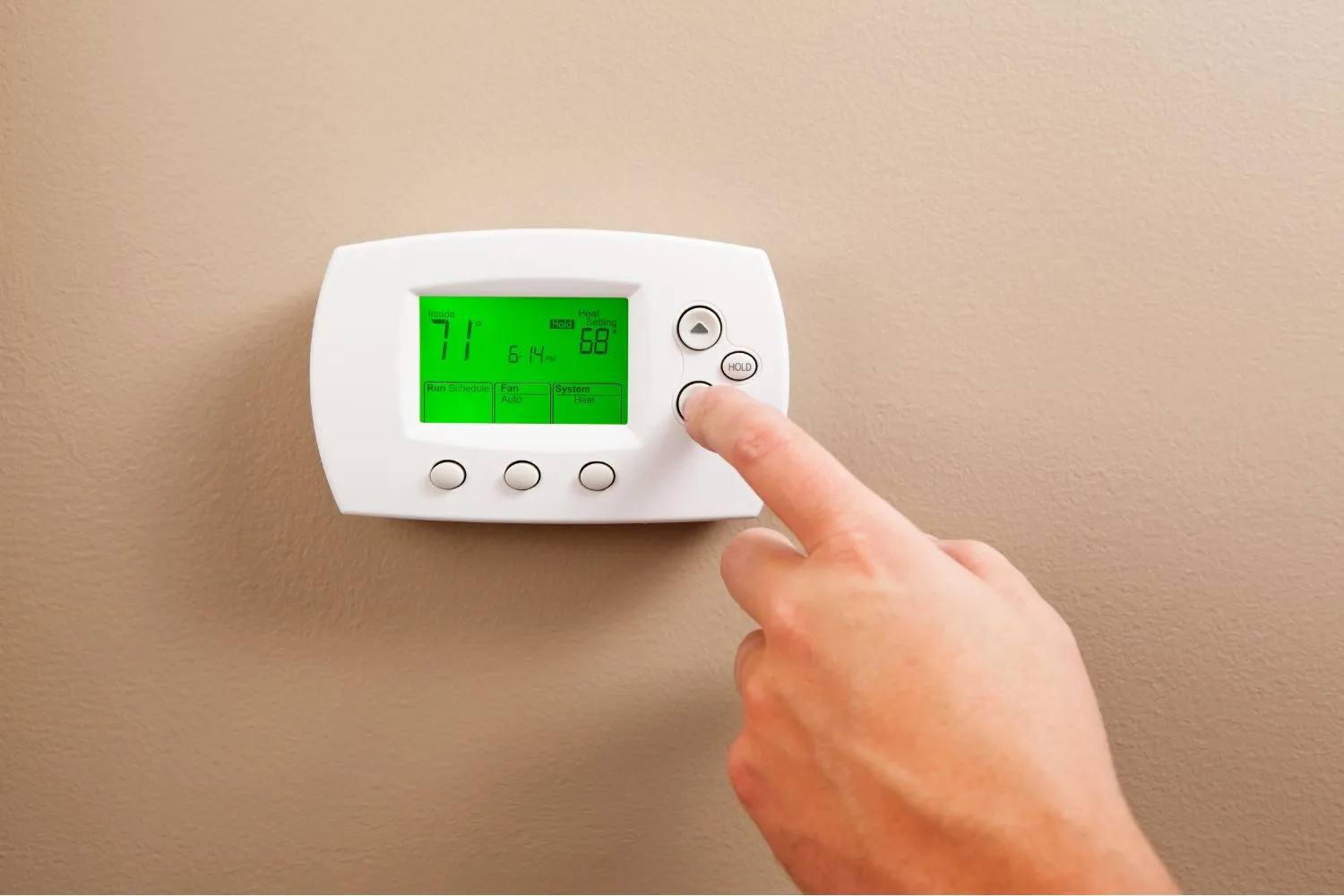
The settings on your thermostat directly affect furnace cycling. Setting your thermostat to a lower temperature during times when less heat is needed can extend the off time between cycles, promoting energy savings and reducing system strain.
By considering these factors, homeowners can gain insights into their heating system’s operation and make informed decisions to optimize furnace performance.
The Importance of Proper Airflow
Understanding the significance of proper airflow within your home’s heating system is crucial for maintaining the desired comfort levels and ensuring the furnace operates efficiently. Proper airflow impacts how long should a furnace stay off between cycles by influencing the furnace’s ability to distribute heat evenly and effectively throughout your home. Here are some key points to consider:
Unobstructed Vents and Registers:
Ensure that all vents and registers are free from obstruction by furniture, rugs, or curtains. This allows the heated air to circulate freely, ensuring that the furnace heats your home as intended and can cycle off for the appropriate duration.
Regular Filter Maintenance:
A clean filter is essential for maintaining good airflow. A clogged or dirty filter can restrict airflow, forcing the furnace to work harder and more frequently, thus affecting how long should a furnace stay off between cycles in winter. Regularly replacing or cleaning the furnace filter according to the manufacturer’s recommendations can prevent this issue.
Proper Ductwork Design and Maintenance:
Leaks or blockages in the ductwork can significantly reduce airflow, leading to uneven heating and impacting the cycling of the furnace. Ensuring that ductwork is properly sealed and insulated can improve airflow and efficiency, allowing for longer off periods between cycles.
Balanced System:
A balanced heating system distributes air evenly throughout the home. If certain rooms are consistently colder or hotter, it may indicate an issue with airflow balance. Adjusting dampers or consulting with a professional can help achieve a more balanced distribution and optimal cycling times.
By paying attention to these aspects of your home’s heating system, you can improve airflow, which in turn helps your furnace maintain a comfortable temperature with efficient cycling times. This not only enhances comfort but also contributes to energy savings and the longevity of your heating system.
Signs of Inefficient Cycling and How to Address Them

Identifying signs of inefficient furnace cycling is crucial to maintaining an optimal heating system. Here are key indicators to watch for and how to address them:
Short Cycling:
This occurs when your furnace turns off and on more frequently than normal, without reaching the desired indoor temperature. It can lead to increased wear on furnace components and higher energy bills. To address short cycling, check for a clogged air filter and replace it if necessary. Also, ensure that your thermostat is working correctly and not falsely triggering the furnace to turn off prematurely.
Constant Running:
If your furnace seems to run continuously without cycling off, it could be struggling to reach the set temperature. This could be due to poor insulation, leaks in windows or doors, or an incorrectly sized furnace. Improving home insulation and sealing leaks can help. If the problem persists, consult with a professional to determine if your furnace is appropriately sized for your home.
Frequent Repairs:
A furnace that requires frequent repairs or has persistent operational issues may be cycling inefficiently. Regular maintenance and addressing minor issues promptly can prevent larger problems. However, if your furnace is old or continually breaking down, it might be time to consider a replacement with a more efficient model.
Uneven Heating:
Experiencing hot and cold spots in your home can indicate inefficient furnace cycling and airflow issues. Check to ensure vents are unblocked and the furnace filter is clean. If the problem continues, it may be necessary to have a professional assess your ductwork for leaks or obstructions.
By recognizing these signs and taking appropriate actions, homeowners can improve their furnace’s efficiency and cycling performance, leading to a more comfortable and energy-efficient home.
When to Seek Professional Help
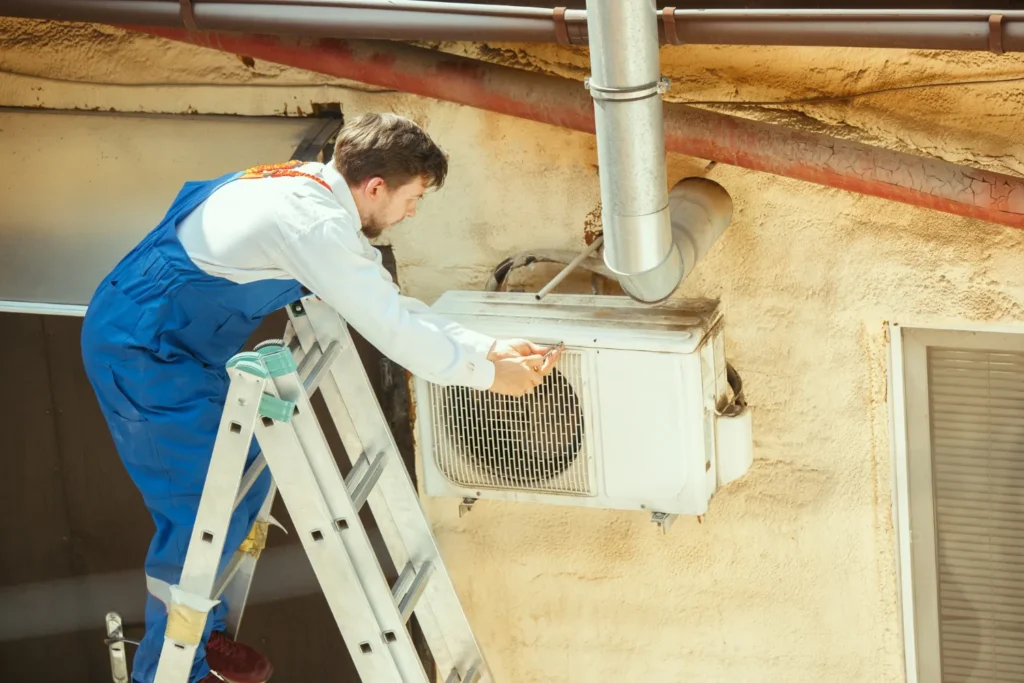
There are instances where your furnace’s cycling issues may surpass the realm of simple DIY solutions. If after implementing suggested adjustments, such as checking for drafty areas, ensuring vents are clear, and tweaking thermostat settings, your furnace’s behavior doesn’t improve, it’s time to consult with an HVAC professional. An expert can conduct a detailed evaluation of your heating system, pinpointing underlying causes of inefficient cycling that aren’t easily identifiable. Professional intervention is particularly crucial if you encounter persistent short cycling, uneven heating, or if the furnace fails to maintain desired temperatures despite your efforts to rectify the situation. Bringing in a technician not only helps in accurately diagnosing and resolving complex issues but also aids in optimizing your system’s performance for the long haul.
Conclusion
In conclusion, understanding how long should furnace stay off between cycles is key to maintaining an efficient and comfortable home environment during the colder months. As we’ve explored, several factors influence this timing, from outdoor temperatures to the efficiency of your home’s insulation. Remember, finding the ideal cycle time for your furnace involves a balance of these elements, and slight adjustments can lead to significant improvements in both comfort and energy savings. If you’re facing challenges in achieving efficient furnace cycling or if you have questions about optimizing your heating system, don’t hesitate to contact us for professional advice and solutions.