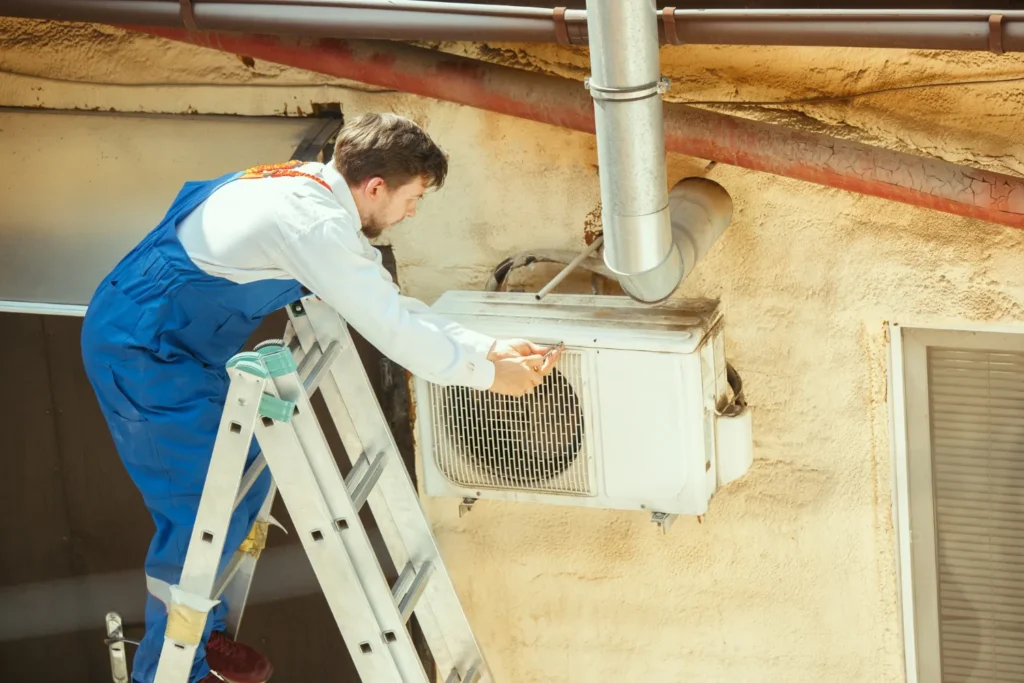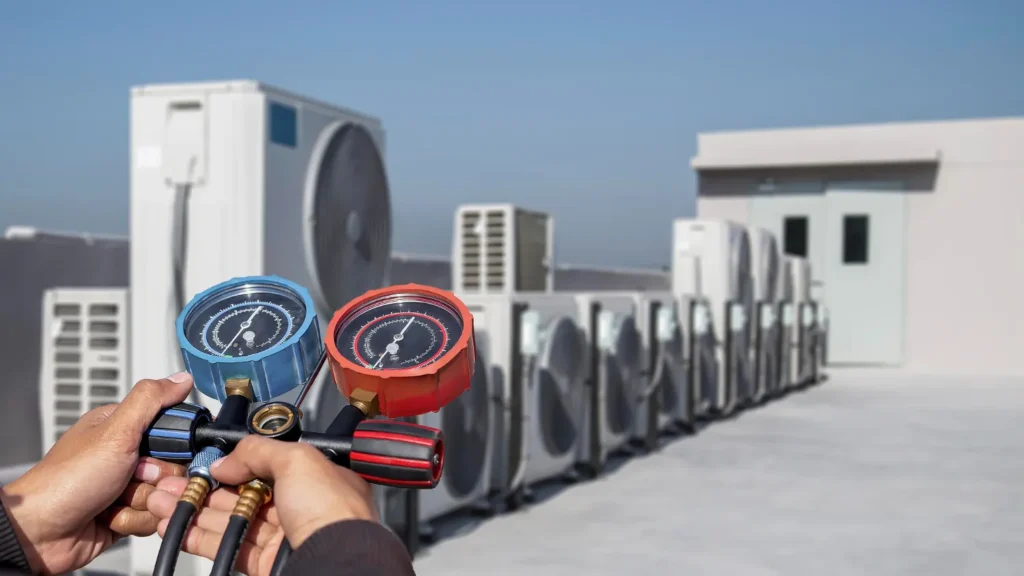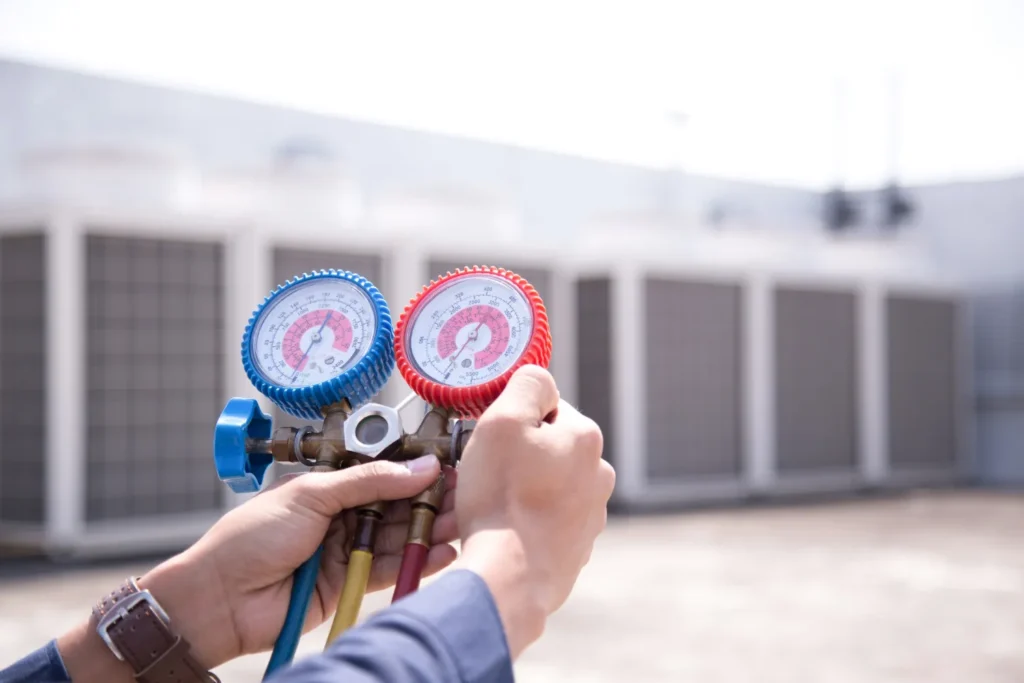

As the weather begins to cool down and the leaves start to change, it’s important to start thinking about the maintenance of your heat pump. This essential piece of equipment plays a crucial role in keeping your home warm during the colder months and cool during the warmer months. However, like any appliance, it requires regular maintenance to ensure longevity and efficiency.
Neglecting proper maintenance can lead to costly repairs or even a complete breakdown of your heat pump. In this blog post, we will discuss some essential tips for maintaining your heat pump, so you can enjoy its benefits for years to come.
Understanding the Basics of Heat Pump Operation
To fully appreciate the importance of heat pump maintenance, it’s crucial to grasp how these devices operate. Here’s a simplified explanation of the process:
Heat Extraction:
In heating mode, heat pumps extract heat from the outside air, even in cold weather. This is possible due to the refrigerant flowing through the system’s outdoor coils, which absorb the outside heat. The refrigerant’s temperature rises as it compresses, and it carries this heat indoors.
Heat Distribution:
Inside your home, the heat from the compressed refrigerant is transferred to the indoor air. The refrigerant circulates through indoor coils, where a fan distributes the warmed air throughout your living space. The refrigerant, having released its heat, cools down and flows back outside to repeat the process.
Heat Absorption:
In cooling mode, the heat pump operates in reverse. It absorbs heat from the indoor air and expels it outdoors, thereby cooling your home.
Defrost Cycle:
During cold weather, frost can build up on the outdoor coils. Heat pumps have a defrost cycle that briefly switches the system to cooling mode to melt the frost, ensuring continued efficient operation.
Understanding these basic mechanisms underscores the significance of regular maintenance, as each process relies on specific components that need to be kept in top shape.
Importance of Regular Filter Change
Consistent and timely filter changes can greatly affect the performance and lifespan of your heat pump. Over a period of use, the filters trap dust, debris, and allergens, which can clog them, leading to impeded airflow. As a result, your heat pump has to strain harder to heat or cool your home, which can reduce its efficiency and potentially shorten its life. Depending on your heat pump usage and the air quality in your home, filters may need to be replaced or cleaned every 1-3 months as recommended by most manufacturers. Regular filter maintenance ensures better air quality, lower energy costs, and a longer-lasting heat pump.
The Benefits of Keeping Coils and Fins Clean
The coils and fins in your heat pump are critical components involved in the heat transfer process. When these parts are covered in dirt or grime, or are damaged, they can hamper the smooth operation of your system. Periodic cleaning of the coils and fins, and checking them for any signs of damage, can significantly enhance your heat pump’s functionality. Clean and well-maintained coils and fins aid in the seamless transfer of heat, thereby boosting the overall energy efficiency of your heat pump. This not only improves the performance of your heat pump but also can contribute to its longevity. Regular attention to these key components is therefore an important aspect of heat pump maintenance.
Optimizing Thermostat Settings for Efficiency
The thermostat is a key component in managing the efficiency of your heat pump. Keeping a steady, comfortable temperature set on your thermostat can enhance your heat pump’s effectiveness. Frequent adjustments to the temperature can cause your heat pump to work harder, potentially decreasing its efficiency. A step further in conserving energy and optimizing your heat pump’s operation is the utilization of a programmable thermostat.
It enables automatic temperature adjustments according to your daily or weekly schedule, reducing the need for manual changes. This not only maintains a consistent temperature in your home but also aids in reducing energy consumption when you’re away. Balancing comfort and efficiency by managing your thermostat settings can greatly improve the operation of your heat pump.
Maximizing Airflow for Improved Heat Pump Performance
Ensuring your heat pump has unrestricted airflow is pivotal to its optimal performance and efficiency. If the air registers are blocked by furniture, rugs, or curtains, the flow of air can be compromised, resulting in the heat pump having to expend extra energy to maintain desired temperatures. You can aid the airflow by keeping the path to the air registers clear of any obstructions.
Additionally, the ducts and vents within your home can accumulate dust and debris over time, restricting airflow. Regular cleaning and dusting of these areas can considerably enhance the airflow, allowing your heat pump to function more efficiently. Maximizing airflow in this way not only improves the efficiency of your heat pump but also reduces the likelihood of unnecessary strain on its operations.
The Role of Fans in Heat Pump Performance
Fans are instrumental in the heat pump process as they circulate the conditioned air throughout your living space. Regular inspection and maintenance of these fans are essential for keeping them in top shape. Debris, dust, and grime can accumulate over time, hindering their function and reducing the efficiency of your heat pump. Make sure to keep the fans clean and free from any obstructions for optimal operation.
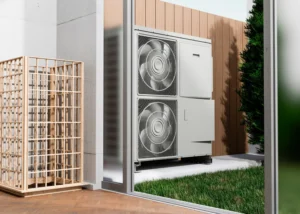
Any unusual noise or wobbling indicates potential issues with the fans, which should be addressed promptly to avoid affecting the heat pump performance. A well-maintained fan not only aids in the effective distribution of temperature-controlled air but also contributes to the overall operational efficiency of your heat pump. In short, treating fans as a significant component of your heat pump maintenance plan can yield noticeable improvements in your system’s performance.
Preventing Heat Loss with Proper Sealing
The efficiency of your heat pump can be significantly influenced by the rate of heat loss from your home. Seepages through doors, windows, and walls can force the pump to overwork in order to maintain the desired temperature. By sealing such gaps, you can minimize heat loss, allowing the pump to function more effectively. Using caulking or weatherstripping to seal windows and doors can be a cost-effective solution.
Additionally, make sure your home’s wall and attic insulation are in good condition to prevent heat loss through your home’s envelope. Implementing these measures can effectively reduce your heat pump’s workload, thus optimizing its performance, prolonging its lifespan, and bringing down your energy expenditure. Regular checks for drafts and heat leakages can help maintain this energy-saving balance.
Regular Cleaning of Outdoor and Indoor Units
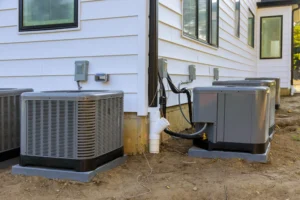
Regular upkeep of the outdoor and indoor units of your heat pump is integral to its effective operation. The outdoor unit, being exposed to natural elements, can easily get cluttered with leaves, dirt, and other debris. Similarly, indoor units can become dust magnets, and if you have pets, pet dander could also accumulate. Therefore, scheduled cleaning of both these units is essential. This simple, yet crucial, maintenance task can help prevent potential buildup that might otherwise impede the unit’s functionality, resulting in decreased efficiency. Thus, keeping both outdoor and indoor units clean not only facilitates smoother operation but also boosts the overall efficiency of your heat pump.
The Significance of Scheduled Professional Maintenance
Despite the effectiveness of DIY maintenance tasks, it’s beneficial to complement your efforts with routine professional servicing. An expert has the necessary skills and knowledge to detect minor issues that you might overlook. They can remedy these problems before they escalate into significant complications that could potentially compromise your heat pump’s functionality or lifespan.
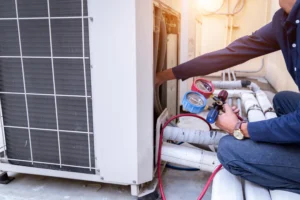
Additionally, professionals can offer advice on optimizing your heat pump operation, boosting its overall efficiency. They are equipped to handle intricate tasks like checking refrigerant levels, inspecting electrical connections, and adjusting system controls for optimal performance. Therefore, incorporating scheduled professional maintenance into your heat pump upkeep routine can offer an additional layer of protection, contributing to its peak performance and longevity.
Conclusion
Maintaining your heat pump is crucial for its efficiency and longevity. By understanding its operation, ensuring regular filter changes, cleaning coils and fins, optimizing thermostat settings, maximizing airflow, taking care of the fans, preventing heat loss, and keeping both indoor and outdoor units clean, you can significantly enhance your heat pump’s performance.
Additionally, ensuring proper insulation and regular professional maintenance further support the heat pump’s optimal functioning. These simple but important measures not only help reduce your energy costs but also prolong the lifespan of your heat pump, making it a worthwhile investment. For more personalized advice on maintaining your heat pump or for professional servicing, don’t hesitate to contact us.