
Navigating the complexities of choosing the right gas furnace size is pivotal for an efficient and cozy home. At Perfect Air Solutions, we recognize the significance of this decision in maximizing comfort while minimizing costs. Understanding the nuances of furnace sizing can be the key to unlocking optimal heating performance tailored to your home’s unique needs. From calculating square footage to assessing insulation, this guide aims to demystify the selection process, empowering homeowners to make informed choices for a snug and energy-efficient living space. Join us as we delve into the essential factors determining the ideal gas furnace size for your home.
Understanding the Importance of Furnace Size
Selecting the right size gas furnace for your home is essential for maintaining a comfortable and efficient heating system. If your furnace is too small, it will struggle to adequately heat your living space. On the other hand, if your furnace is too large, it will waste energy and cost you more money in the long run. Understanding the importance of furnace size allows you to make informed decisions when it comes to selecting the right furnace for your home. By considering factors such as square footage, insulation, and climate, you can ensure that your furnace meets your heating needs effectively.
Factors Influencing Sizing Decisions
Choosing the right size gas furnace for your home is a crucial decision that can impact both comfort and energy efficiency. Several factors come into play when determining the ideal furnace size, and understanding these influences is key to making an informed choice. Here are the factors that you should consider when sizing your gas furnace:
Square footage:
The size of your living space is a fundamental factor in determining the heating capacity your furnace should have. Larger homes will require a furnace with a higher heating capacity, while smaller homes can get by with a smaller furnace.
Insulation:
The insulation levels in your home play a significant role in how well it retains heat. Well-insulated homes can potentially opt for a smaller furnace as the insulation will help retain the warmth efficiently. In contrast, homes with poor insulation may need a larger furnace to compensate for heat loss.
Climate:
The climate in your region is another crucial factor to consider. Colder climates will require a more powerful furnace to adequately heat your home, while warmer climates with less insulation may need a smaller one. Taking your local climate into account ensures that your furnace can meet your heating needs effectively.
Energy efficiency:
It’s essential to strike a balance between size and energy efficiency. A larger furnace may have a higher Annual Fuel Utilization Efficiency (AFUE) rating, indicating higher energy efficiency. However, if it’s too big for your home, it can lead to wasted energy. Consider both the size and efficiency ratings of the furnace to find the optimal balance.
Understanding Furnace Efficiency Ratings
Understanding the efficiency ratings of gas furnaces is crucial when selecting the right size for your home. Furnace efficiency is measured by its Annual Fuel Utilization Efficiency (AFUE) rating, which indicates how much fuel is effectively converted into heat. The higher the AFUE rating, the more efficient the furnace is. When considering furnace size, it’s important to strike a balance between size and efficiency. A larger furnace may have a higher AFUE rating, but if it’s too big for your home, it will waste energy. By understanding furnace efficiency ratings, you can make an informed decision on the right furnace size for your home.
Consulting a Professional
Consulting with a professional is an essential step in selecting the right size gas furnace for your home. HVAC experts have the knowledge and experience to assess your specific heating needs and recommend the optimal furnace size for your living space. Here are a few reasons why consulting with a professional is crucial:
Expertise:
HVAC professionals have a deep understanding of furnace sizing and can accurately calculate the heating capacity required for your home. They take into account factors such as square footage, insulation, climate, and lifestyle to determine the ideal furnace size.
Precision:
By relying on the expertise of a professional, you can avoid the common sizing mistakes that homeowners often make. They have the knowledge to consider all the relevant factors and ensure that you choose a furnace that meets your heating needs efficiently.
Personalized Recommendations:
Every home is unique, and what works for one may not work for another. HVAC professionals can provide personalized recommendations based on your specific requirements, ensuring that you select the right size gas furnace for your living space.
Long-Term Savings:
Investing in a professional consultation may seem like an additional expense, but it can actually save you money in the long run. By choosing the right furnace size, you can avoid energy waste and unnecessary expenses on heating bills.
Peace of Mind:
When it comes to heating your home, you want peace of mind knowing that you have made the right choice. By consulting with a professional, you can have confidence that your furnace is correctly sized and will provide efficient and reliable heating for years to come.
Exploring Furnace Efficiency
When it comes to selecting the right size gas furnace for your home, efficiency is key. Furnace efficiency ratings, such as the AFUE rating, indicate how well a furnace converts fuel into heat. Exploring furnace efficiency allows you to find the perfect balance between size and energy savings. A larger furnace may have a higher AFUE rating, but if it’s too big for your home, it will waste energy. By understanding furnace efficiency, you can make a smart choice that not only keeps your home warm but also saves you money in the long run.
Common Sizing Mistakes to Avoid
Choosing the right size gas furnace for your home is a critical decision that can greatly impact your comfort and energy efficiency. However, there are common sizing mistakes that homeowners often make when selecting a furnace. To help you avoid these pitfalls, here are some key mistakes to steer clear of:
Oversizing:
One of the most common mistakes is choosing a furnace that is too large for your home. While it may seem logical to go bigger for better heating, an oversized furnace will waste energy and result in higher heating costs. It will cycle on and off more frequently, causing unnecessary wear and tear on the system.
Undersizing:
On the flip side, opting for a furnace that is too small for your home can also lead to problems. An undersized furnace will struggle to adequately heat your living space, resulting in uneven temperatures and discomfort. It will constantly run at full capacity, leading to increased energy consumption and higher bills.
Ignoring the heating load calculation:
Many homeowners skip the crucial step of performing a heating load calculation. This calculation takes into account factors such as square footage, insulation, climate, and number of occupants to determine the appropriate furnace size. By neglecting this calculation, you risk selecting a furnace that does not meet your heating needs effectively.
Neglecting ductwork considerations:
The size of your ductwork plays a significant role in the efficiency of your furnace. If your ducts are too small or poorly designed, they can restrict airflow and reduce the overall effectiveness of your heating system. It’s essential to ensure that your ductwork is properly sized and configured to work optimally with your furnace.
By avoiding these common sizing mistakes, you can ensure that your gas furnace is the perfect fit for your home, providing efficient and reliable heating for years to come. Remember, consulting with a professional can help you navigate the complexities of furnace sizing and make the best decision for your specific needs.
Budgetary Considerations and Long-Term Savings
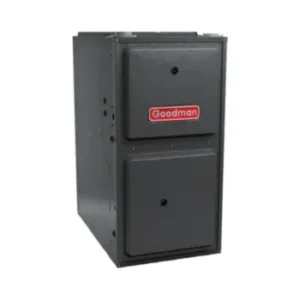
When it comes to selecting the right size gas furnace for your home, budgetary considerations and long-term savings are important factors to keep in mind. While larger furnaces may have a higher upfront cost, they can provide more efficient heating and potentially save you money on your energy bills in the long run. On the other hand, smaller furnaces may have a lower initial cost, but they may not be as efficient and could lead to higher energy expenses over time. It’s important to strike a balance between upfront costs and long-term savings when selecting the right size gas furnace for your living space.
Environmental Considerations
When selecting the right size gas furnace for your home, it’s important to consider environmental factors. By choosing a furnace that is energy-efficient and environmentally friendly, you can reduce your carbon footprint and contribute to a healthier planet. Look for furnaces with high AFUE ratings, indicating that they convert fuel into heat more efficiently. Additionally, consider options such as condensing furnaces, which extract heat from combustion gases, or hybrid systems that utilize renewable energy sources. By making environmentally conscious choices, you can not only keep your home warm but also make a positive impact on the environment.
Conclusion
In the quest for the perfect gas furnace fit, understanding the nuances of sizing becomes paramount. At Perfect Air Solutions, we advocate for precision in selecting the right furnace size. It’s more than just warmth; it’s about efficiency, cost-effectiveness, and environmental mindfulness. Remember, a well-sized gas furnace isn’t just an investment in heating; it’s an investment in home comfort and sustainability. Let this guide serve as your compass, navigating the maze of furnace sizing to ensure your home enjoys optimal warmth, efficiency, and savings throughout the seasons.